Fermented Vegetable Bowl Inspiration

Featured in: Healthy Bowls

This vibrant bowl blends tangy kimchi and sauerkraut with hearty grains, crisp vegetables, and protein choices for a nourishing fusion meal. Fresh carrots, cucumber, spinach, radishes, avocado, and scallions add layers of color and crunch. A homemade ginger-sesame dressing brings all elements together, complemented by greens, nori, and sesame seeds. Prep is simple: cook grains, prepare veggies, whisk dressing, and assemble. Easily swap proteins or grains for variety, and adjust for vegan diets by choosing maple syrup and plant-based kimchi. Ideal for lunch or dinner, this bowl highlights bold flavors and wholesome ingredients.

Updated on Tue, 04 Nov 2025 11:31:00 GMT
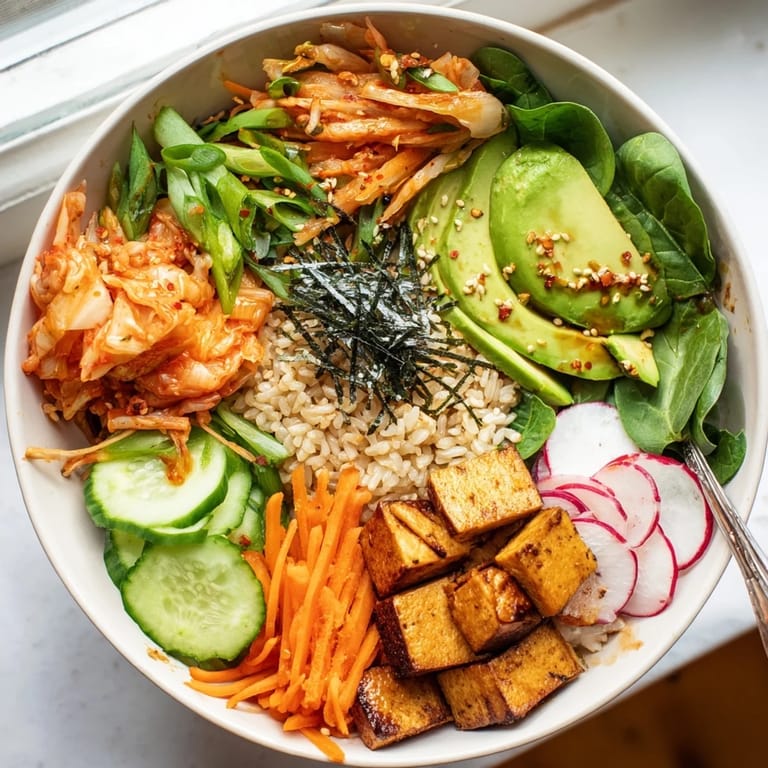
Vibrant Fermented Vegetable Bowl with kimchi, fresh greens, and savory dressing, perfect for lunch.  Save
Vibrant Fermented Vegetable Bowl with kimchi, fresh greens, and savory dressing, perfect for lunch. | bakozy.com

A vibrant, nourishing bowl featuring tangy kimchi, fresh seasonal vegetables, hearty grains, and a flavorful dressing—perfect for a wholesome lunch or dinner.

Whenever I crave something fresh yet satisfying, this fermented vegetable bowl is my top choice. The combination of crunchy veggies with tangy kimchi always gives me a boost of energy and comfort, whether for lunch or dinner.

Ingredients

  • Brown rice or quinoa: 1 cup (180 g), uncooked
  • Water: 2 cups (480 ml)
  • Salt: 1/2 tsp
  • Kimchi: 1 cup (150 g), chopped (ensure vegetarian if needed)
  • Sauerkraut: 1/2 cup (75 g), optional, for variety
  • Shredded carrots: 1 cup (100 g)
  • Cucumber: 1 cup (80 g), sliced
  • Baby spinach or mixed greens: 1 cup (60 g)
  • Avocado: 1, sliced
  • Radishes: 2, thinly sliced
  • Scallions: 1/4 cup (15 g), sliced
  • Cooked edamame or firm tofu: 1 cup (160 g), cubed (optional)
  • Soy sauce or tamari: 2 tbsp
  • Toasted sesame oil: 1 tbsp
  • Rice vinegar: 1 tbsp
  • Maple syrup or honey: 1 tsp
  • Grated fresh ginger: 1 tsp
  • Small garlic clove: 1, minced
  • Toasted sesame seeds: 1 tbsp
  • Nori: 1 sheet, sliced (optional)
  • Chili flakes: optional

Instructions

Cook Grains:
Rinse the grains and cook them with water and salt according to package instructions (about 25 minutes for brown rice, 15 minutes for quinoa). Once cooked, fluff with a fork and let cool slightly.
Prep Fresh Vegetables:
Shred carrots, slice cucumber, avocado, radishes, and scallions.
Prepare Protein:
If using tofu, pat dry and cube. Optionally, pan-sear the tofu in a nonstick pan over medium heat with a splash of oil until golden on all sides.
Make Dressing:
In a small bowl, whisk together the soy sauce, sesame oil, rice vinegar, maple syrup, ginger, and garlic to make the dressing.
Assemble Bowls:
Divide the cooked grains among four bowls. Arrange kimchi, sauerkraut (if using), fresh vegetables, and protein on top of the grains.
Add Dressing & Toppings:
Drizzle each bowl with the dressing. Garnish with sesame seeds, nori, and chili flakes if desired.
Serve:
Serve immediately and enjoy.
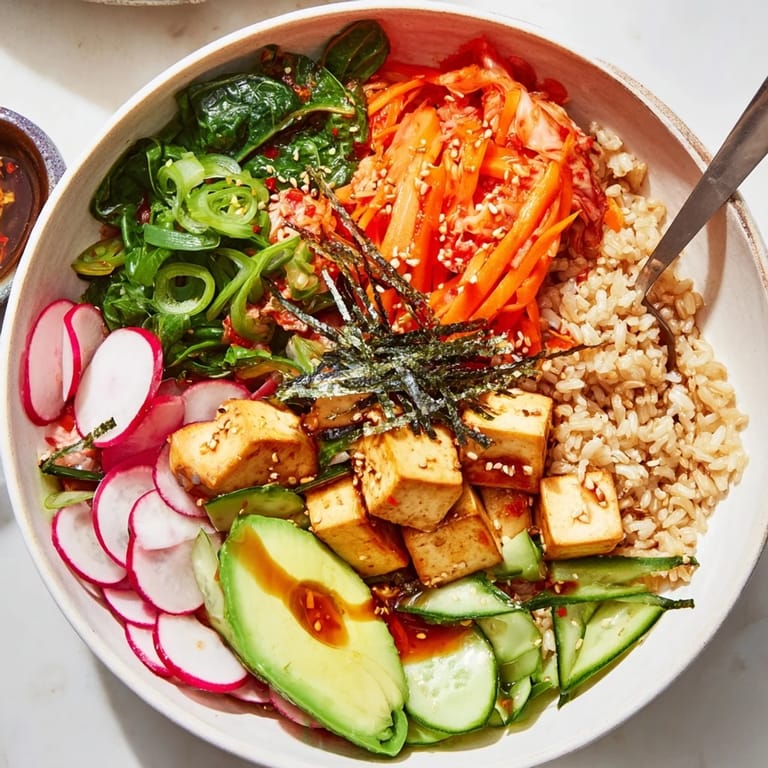
Colorful Fermented Vegetable Bowl filled with tangy kimchi, crisp veggies, and hearty grains.  Save
Colorful Fermented Vegetable Bowl filled with tangy kimchi, crisp veggies, and hearty grains. | bakozy.com

This bowl has become a family staple, especially on busy weeknights when everyone wants a nutritious meal they can customize to their liking.

Customization Ideas

Try adding grilled mushrooms or swapping in farro or cauliflower rice for different textures. Mix in microgreens for a boost or layer extra pickled veggies for a more vibrant bowl.

Serving Suggestions

Enjoy with crisp Riesling wine or a glass of iced green tea for a refreshing pairing that complements the tangy flavors.

Allergen Advice

If you need gluten-free options, use tamari instead of soy sauce and double-check the kimchi label for vegetarian and allergy-friendly ingredients.
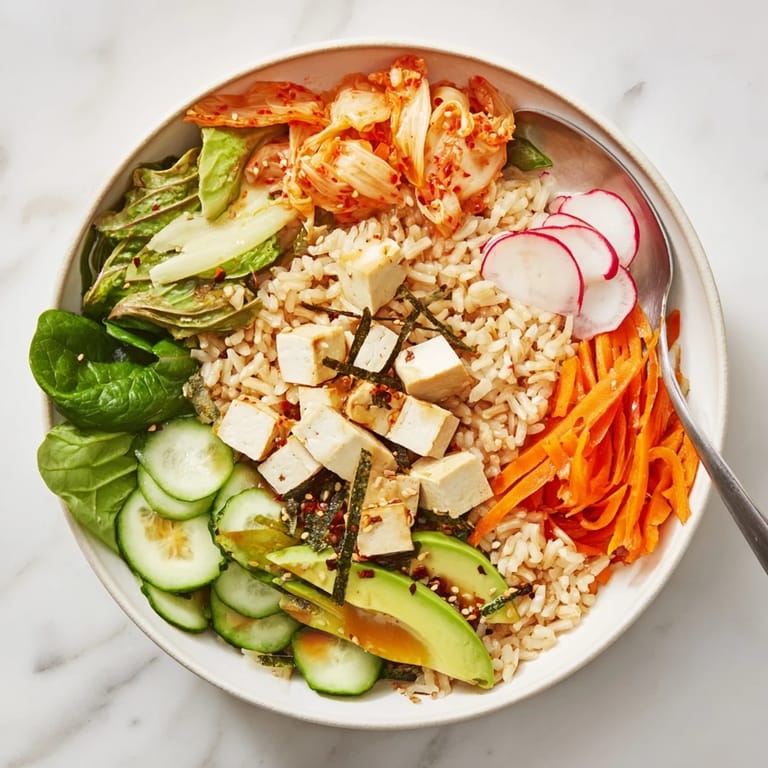
Delicious Fermented Vegetable Bowl featuring spicy kimchi, creamy avocado, and nourishing grains. Save
Delicious Fermented Vegetable Bowl featuring spicy kimchi, creamy avocado, and nourishing grains. | bakozy.com

A sprinkle of sesame seeds and fresh scallions is all you need to finish this bowl. Dig in while everything is fresh and vibrant!

Recipe FAQ

→ Can I use quinoa instead of rice?

Absolutely. Quinoa cooks faster and adds a nutty flavor, while offering a similar base texture for the bowl.

→ What vegetables work best for this bowl?

Carrots, spinach, cucumber, avocado, and radishes blend well, but feel free to add microgreens or pickled options for extra variety.

→ How can I make the bowl vegan?

Use maple syrup in the dressing and ensure your kimchi contains no fish sauce or animal products.

→ Which protein options can I add?

Cubed tofu or cooked edamame are ideal; for a non-vegetarian twist, include grilled chicken or a soft-boiled egg.

→ What dressing suits fermented vegetable bowls?

A blend of soy sauce, sesame oil, rice vinegar, maple syrup, ginger, and garlic offers tanginess and depth.

→ How do I avoid allergens in this dish?

Choose gluten-free tamari if needed and check kimchi for fish or shellfish; substitute as necessary for soy or sesame allergies.

→ Can I prepare components in advance?

Yes. Grains, vegetables, and dressing can be prepped ahead. Store separately and assemble just before serving for freshness.
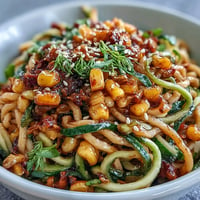

Fermented Vegetable Bowl Inspiration

A wholesome bowl with kimchi, grains, veggies, and zesty vegan dressing. Colorful, nutritious, and full of flavor.

Prep duration
20 min
Heat time
25 min
Complete duration
45 min
Created by Natalie Harris


Complexity Easy

Heritage Fusion (Korean-inspired)

Output 4 Portions

Nutrition specifications Meat-free, No dairy

Components

Grains

01 1 cup brown rice or quinoa, uncooked
02 2 cups water
03 1/2 teaspoon salt

Fermented Vegetables

01 1 cup kimchi, chopped (ensure vegetarian if needed)
02 1/2 cup sauerkraut (optional, for variety)

Fresh Vegetables

01 1 cup shredded carrots
02 1 cup sliced cucumber
03 1 cup baby spinach or mixed greens
04 1 avocado, sliced
05 2 radishes, thinly sliced
06 1/4 cup sliced scallions

Protein (optional)

01 1 cup cooked edamame or firm tofu, cubed

Dressing

01 2 tablespoons soy sauce or tamari
02 1 tablespoon toasted sesame oil
03 1 tablespoon rice vinegar
04 1 teaspoon maple syrup or honey
05 1 teaspoon grated fresh ginger
06 1 small garlic clove, minced

Toppings

01 1 tablespoon toasted sesame seeds
02 1 sheet nori, sliced (optional)
03 Chili flakes (optional)

Directions

Phase 01

Cook the Grains: Rinse the rice or quinoa and cook with water and salt in a medium saucepan according to package instructions. For brown rice, simmer for about 25 minutes; for quinoa, cook for 15 minutes. Fluff with a fork and let cool slightly.

Phase 02

Prepare Fresh Vegetables: Shred the carrots. Slice the cucumber, avocado, radishes, and scallions. Set all vegetables aside.

Phase 03

Prepare Protein: If using tofu, pat dry and cube it; optionally pan-sear tofu in a nonstick pan over medium heat with a splash of oil until golden on all sides. For edamame, ensure it is cooked and drained.

Phase 04

Make the Dressing: In a mixing bowl, whisk together soy sauce or tamari, toasted sesame oil, rice vinegar, maple syrup or honey, grated ginger, and minced garlic until well combined.

Phase 05

Assemble Bowls: Divide the cooked grains among four bowls. Top each bowl with kimchi, sauerkraut if using, fresh vegetables, and chosen protein.

Phase 06

Dress and Garnish: Drizzle each bowl with the prepared dressing. Garnish with toasted sesame seeds, nori, and chili flakes as desired.

Phase 07

Serve: Serve immediately and enjoy each vibrant bowl.

Tools needed

  • Medium saucepan
  • Mixing bowls
  • Chef’s knife
  • Cutting board
  • Whisk

Allergy details

Review each component for potential allergens and if uncertain, we recommend consulting with a healthcare provider.
  • Contains soy (soy sauce, tofu, edamame, and certain kimchi varieties).
  • Contains sesame (toasted sesame oil and sesame seeds).
  • Kimchi may contain fish sauce or shellfish; verify labels for vegetarian and vegan options.
  • For gluten-free diets, use tamari and check kimchi ingredients accordingly.

Nutrient breakdown (per portion)

These values are estimates only and shouldn't replace professional medical guidance.
  • Energy: 350
  • Fats: 10 g
  • Carbohydrates: 54 g
  • Proteins: 11 g